A well-maintained car will save you a lot of unnecessary costs and inconveniences. You will travel safely, knowing that your vehicle is working effectively. You don't have to stand on the roadside with an over-heating engine. Regular servicing helps you to save fuel costs since many issues affect the fuel economy. Again, it prolongs the life of your vehicle — and one of the most overlooked warning signs is the presence of fine metal shavings in your engine oil.
Benefits of Engine Oil
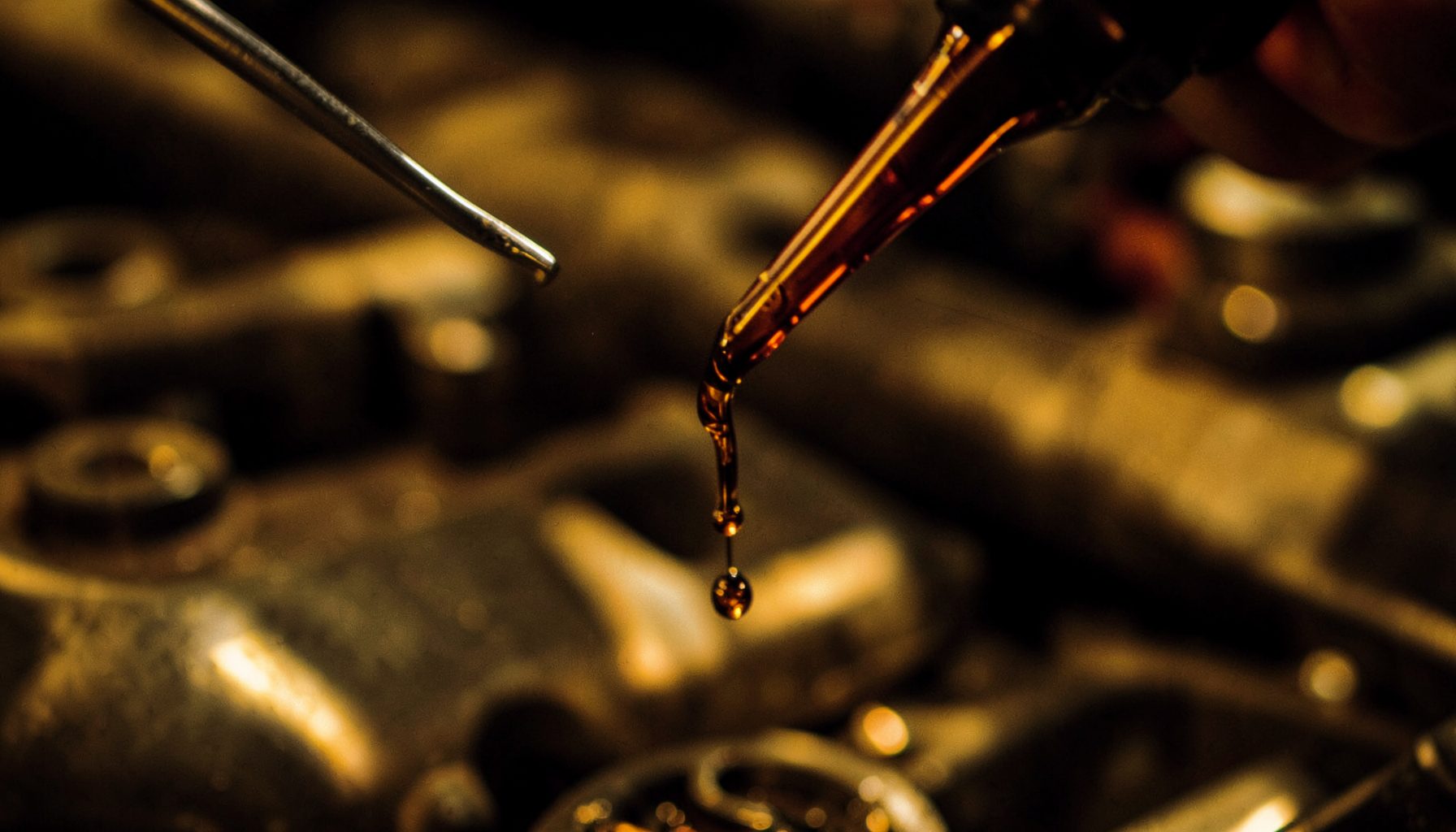
Engine oil plays two essential roles: lubrication and protection. It coats moving metal parts with a thin film that reduces friction, preventing excessive wear and heat buildup. Without clean, quality oil, internal components grind against each other, accelerating damage. Oil also helps carry away contaminants and small debris, keeping the engine internals cleaner over time.
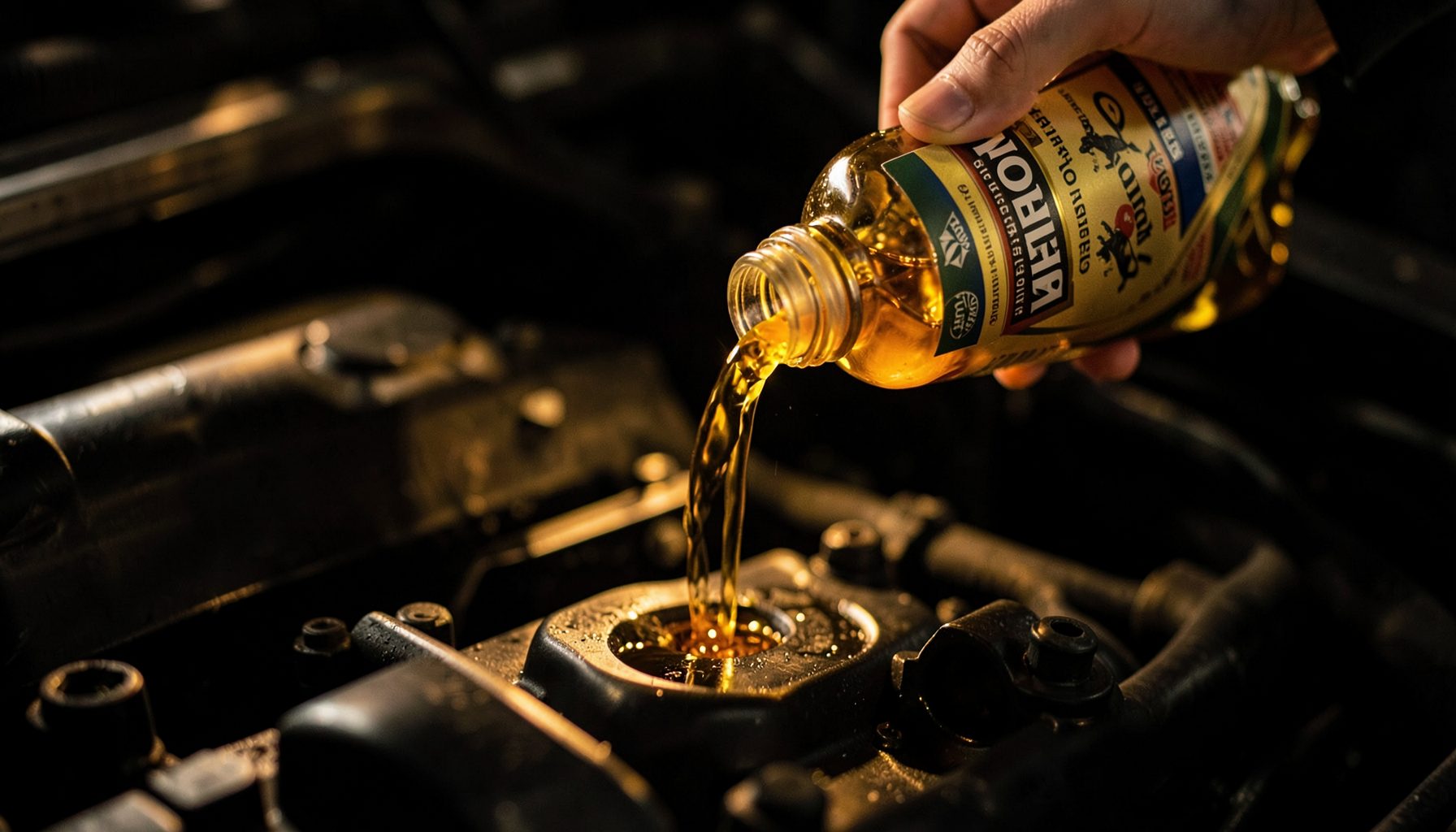
Regular oil changes are the simplest way to preserve these benefits. When oil breaks down or becomes saturated with particles, its protective qualities diminish — and that's when metal shavings can start accumulating.
Problems of Metal Shaving Debris
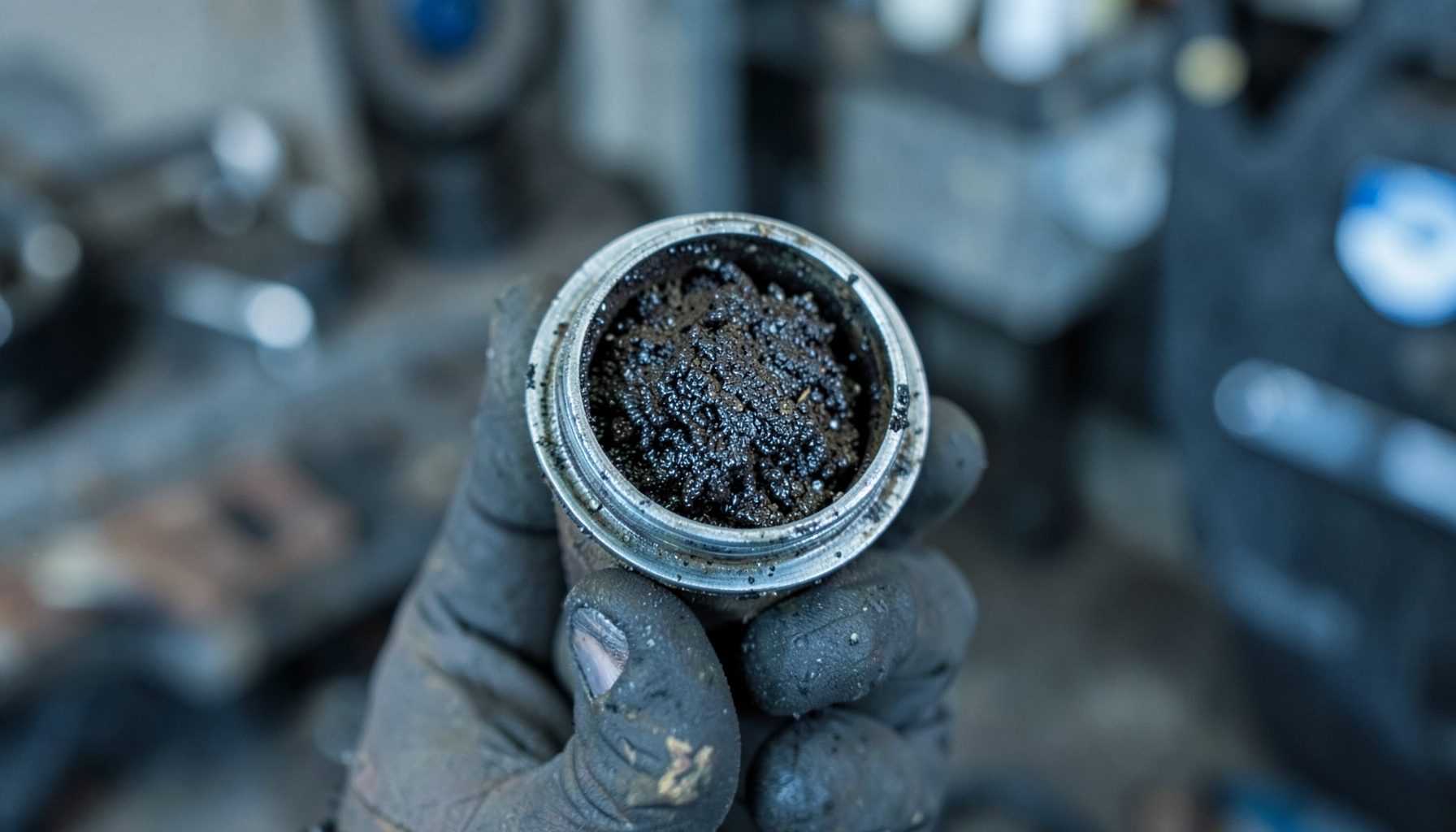
Fine metal shavings in oil are a serious red flag. These tiny metallic particles circulate through the engine, acting like sandpaper against bearings, cylinder walls, and other precision-machined surfaces. Over time, this contamination can lead to:
- Accelerated engine wear — metal-on-metal contact erodes critical tolerances
- Reduced oil pressure — debris can clog oil passages and the pickup screen
- Engine knocking — a telltale sign of bearing damage or insufficient lubrication
- Overheating — friction from compromised lubrication generates excess heat
Engine knocking, in particular, is a symptom that should never be ignored. It often indicates that bearings have worn enough to create excessive clearance, allowing parts to rattle under load.
The Solutions
If you discover metal shavings during an oil change or inspection, take these steps:
- Change the oil and filter immediately. Use a high-quality oil suited to your engine's specifications and a reputable filter that can trap fine particles.
- Inspect the drained oil. Look for a metallic shimmer or use a magnet to check for ferrous particles — this can hint at which components are wearing.
- Shorten your oil change interval. More frequent changes help flush out contaminants before they cause further damage.
- Consider an engine flush product if buildup is significant, but follow manufacturer guidelines carefully.
- Consult a trusted mechanic if shavings persist or if you hear knocking — early diagnosis can prevent a complete engine failure.
Did You Know?
Some amount of microscopic metal wear is normal over an engine's life. The concern arises when visible flakes or a metallic sheen appear — that signals abnormal wear that needs attention.
Conclusion
Fine metal shavings in your oil are not something to dismiss. They point to internal wear that, left unchecked, can shorten your engine's life dramatically. Staying on top of oil changes, using quality lubricants, and paying attention to early warning signs like engine knock will keep your vehicle running reliably for years. When in doubt, have a professional inspect your oil and engine — the cost of prevention is always lower than the cost of a rebuild.